
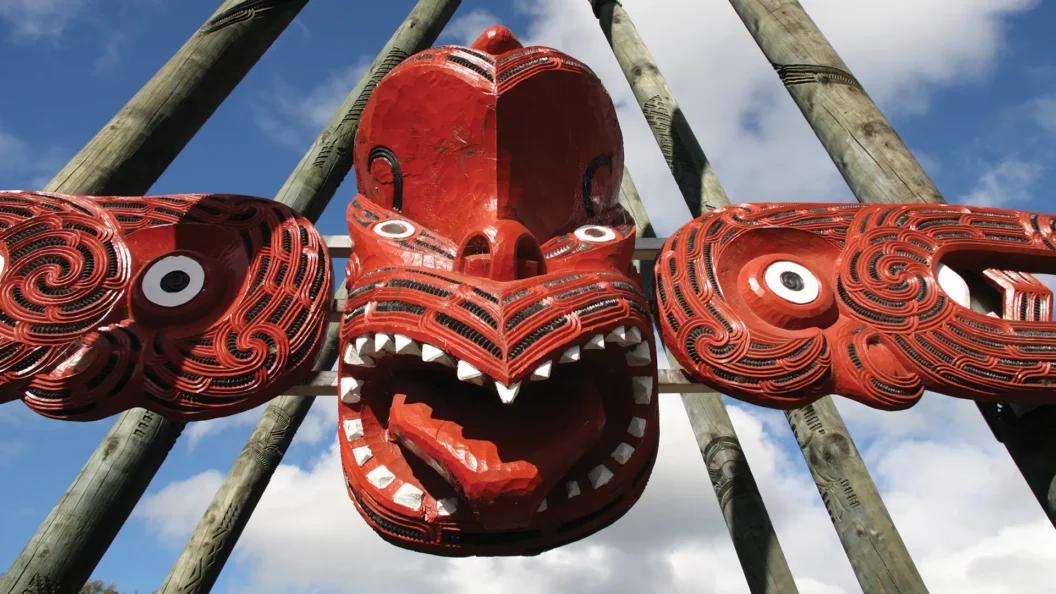
We keep receiving questions about New Zealand — about its population, culture, weather, vegetation, and much more. That inspired me to put together some information, along with a few personal impressions we’ve gathered during the first two months of our stay.
The Land and Its People
New Zealand is made up of more than 700 islands, with the two main ones being the South Island (Te Waipounamu) and the North Island (Te Ika-a-Māui). The country covers about two-thirds of Germany’s land area and is home to roughly 5.3 million people.
The population consists of around 19% Māori, 17% people of Asian descent, and about 68% with European roots. Around 11% identify as Pacific Peoples or as having origins in the Middle East, Latin America, or Africa. Interestingly, many New Zealanders identify with more than one ethnic group.
Although the South Island is larger in size, only about 1.25 million people live there — roughly half of them in the Canterbury region, whose capital is Christchurch.
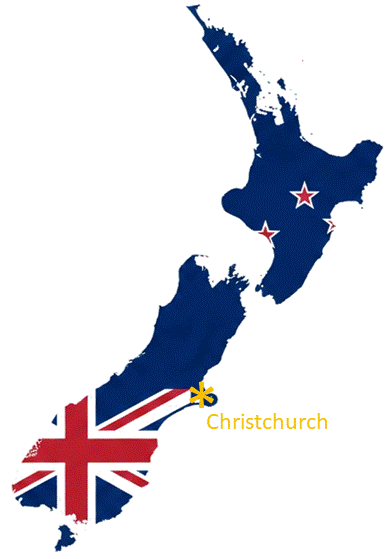
Today, about 420,000 people live in Christchurch, making it roughly two and a half times the size of Regensburg. In contrast to Regensburg, which has a population density of around 2,000 inhabitants per square kilometre, Christchurch has only about 300 inhabitants per square kilometre.
One reason for this is that Christchurch has virtually no high-rise buildings. In my experience, 99% of the houses have no more than one upper floor. Kiwis typically live either in a standalone house or in a compact terraced or townhouse-style home like our current Airbnb. Our place is about 80 m² spread over two levels, with an open-plan kitchen and living area plus a toilet on the ground floor, and two bedrooms, a bathroom, and even a small office upstairs. It’s very cosy — though admittedly a bit tight for four people in the long run.
Another reason for the low density is the abundance of parks and green spaces. Christchurch also includes a sparsely populated surrounding area as well as parts of the hilly Banks Peninsula to the southeast. You can see this beautifully from the air.
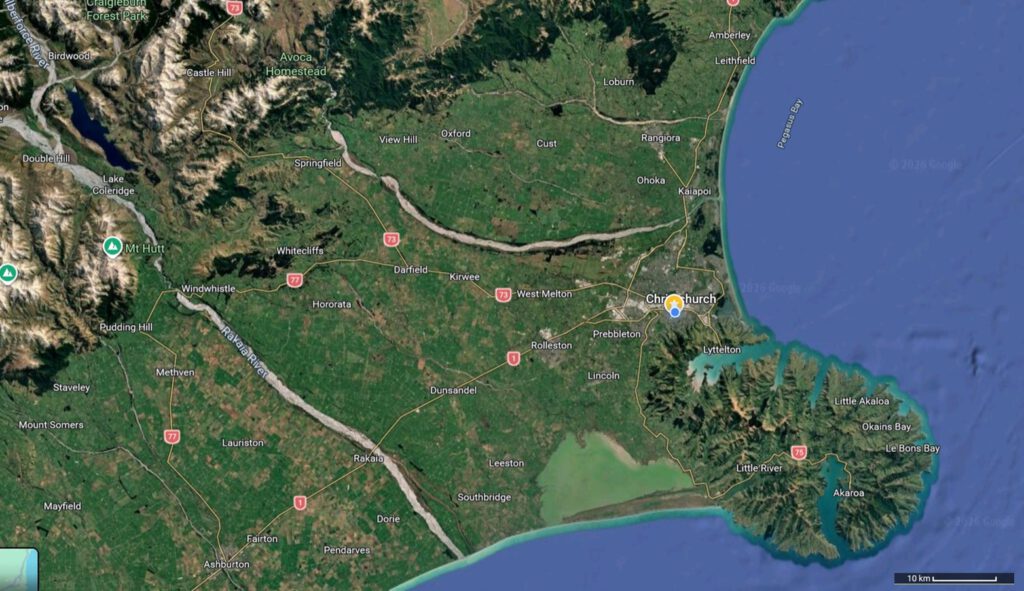
We’re currently living in Spreydon, a suburb in the south of Christchurch (the blue dot on the map). It’s an ideal location for our situation right now. I can cycle to the university in 25 minutes, and the kids can walk to school in the same amount of time. The city centre and potential workplaces for Vroni are also no more than 20 minutes away.
The city offers a high quality of life. There are cosy cafés and pubs, cinemas, a large rugby stadium (home to the Christchurch Crusaders and host to international matches), and regular events featuring both local and international artists — Ed Sheeran was here recently, for example.
And for outdoor enthusiasts, Christchurch is nothing short of a paradise. Yesterday afternoon, we took the ferry from Lyttelton to Diamond Harbour to go hiking along the cliffs, and in the evening I headed out from home for a 1.5‑hour gravel bike loop through the Port Hills. Where else can you do that while studying or working during the week?

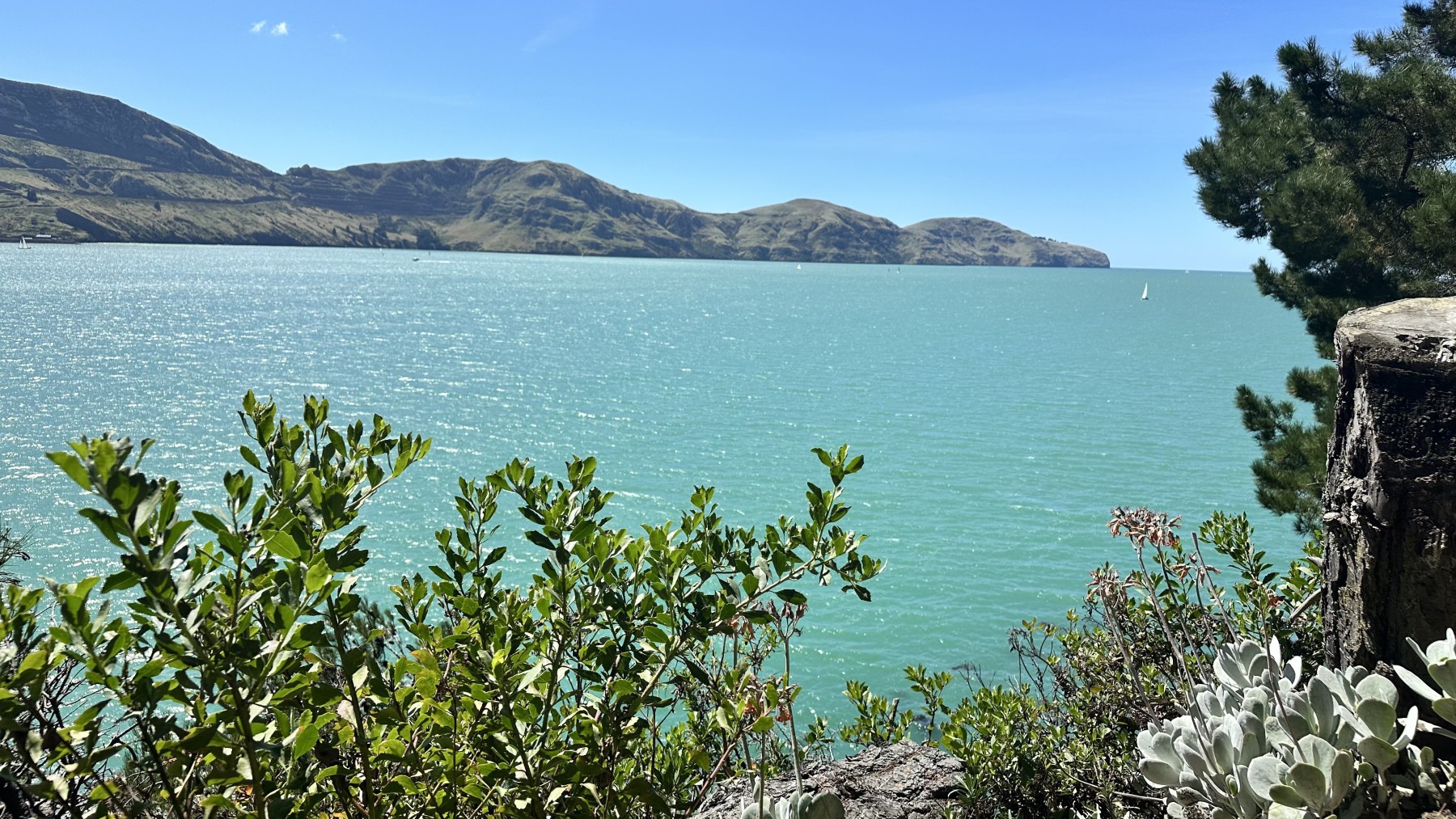


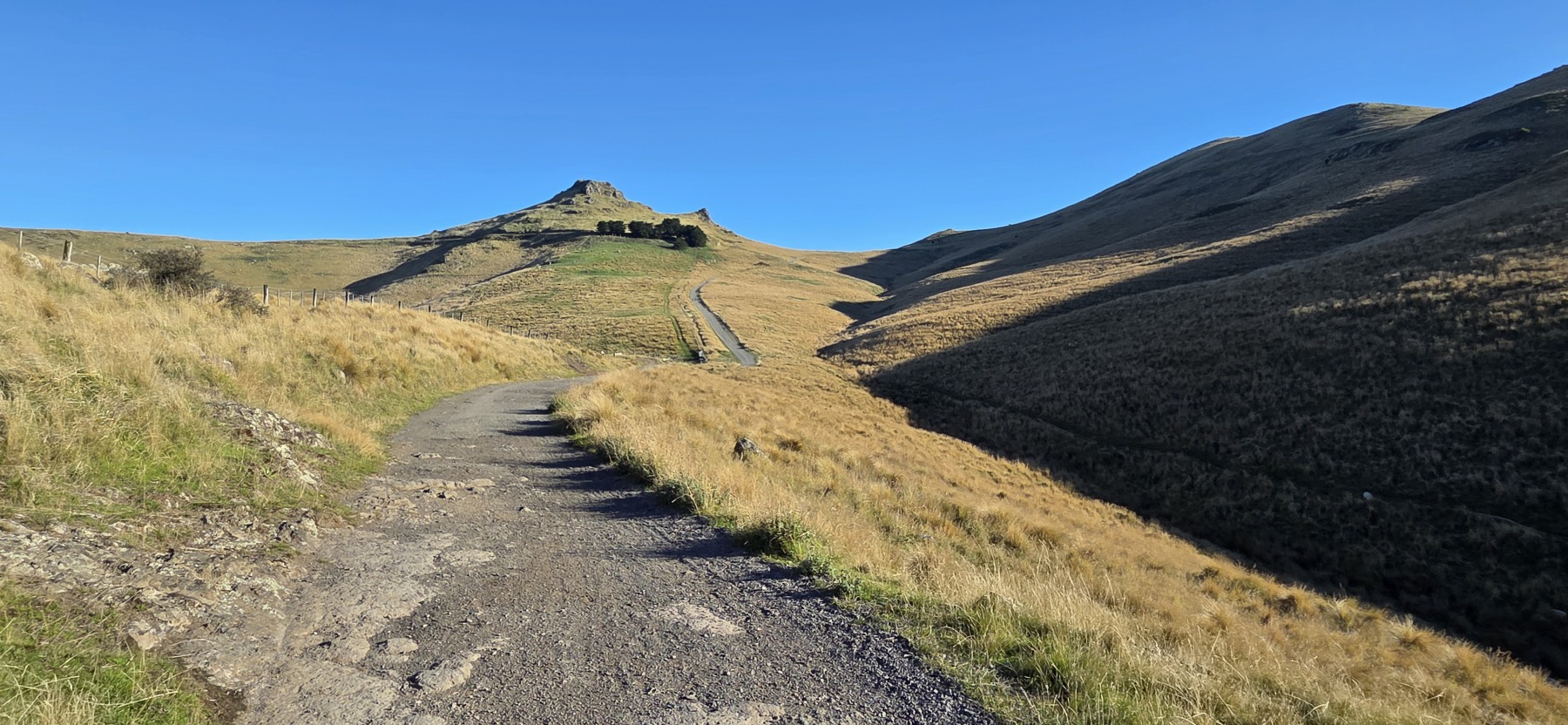
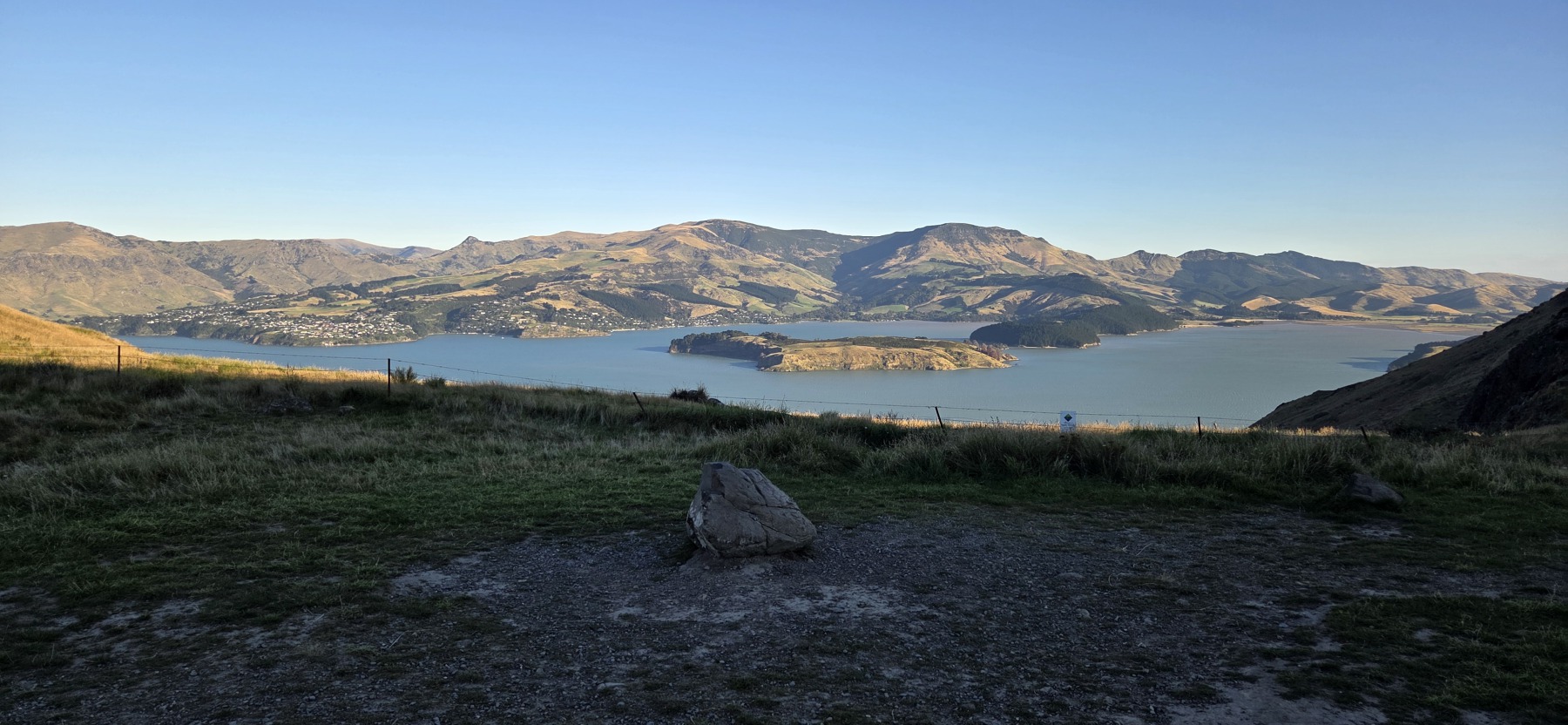
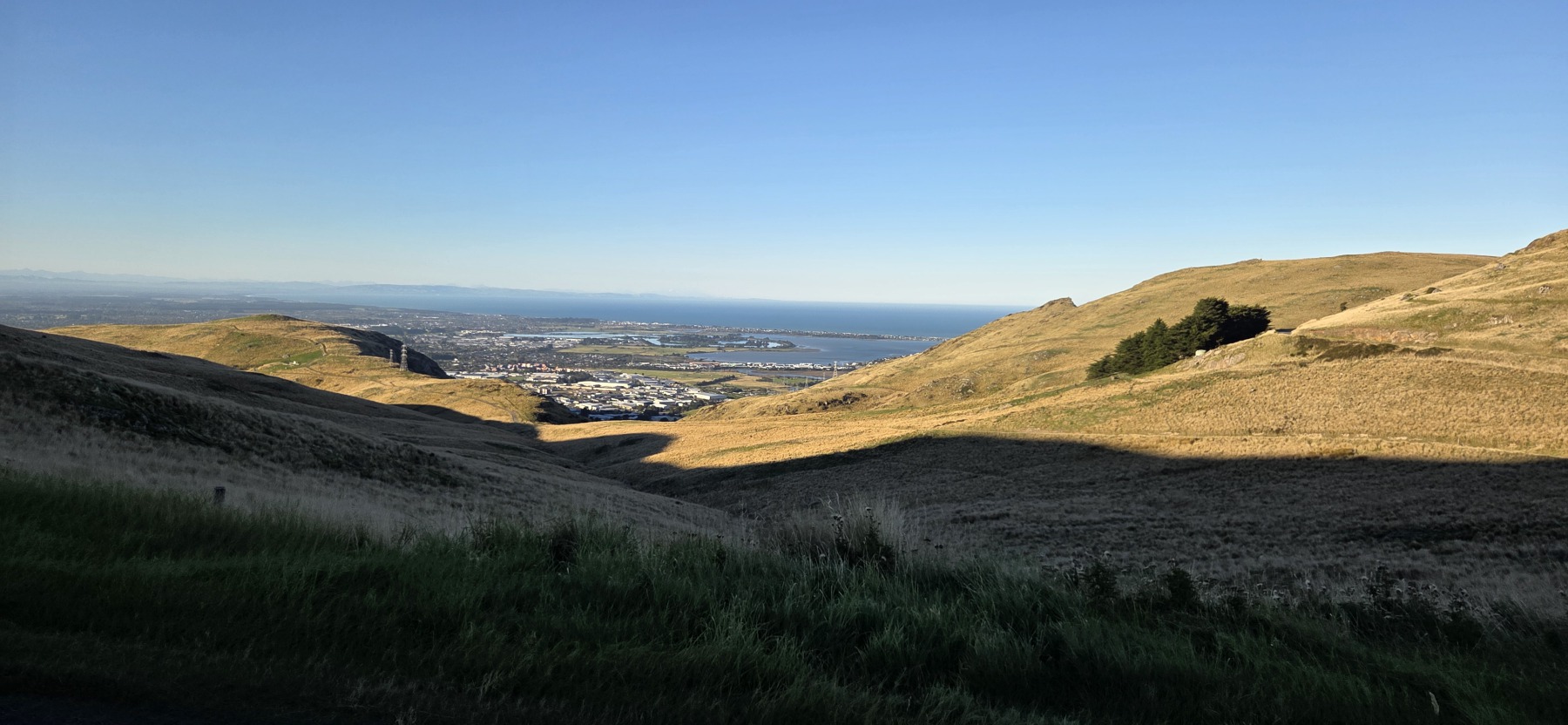
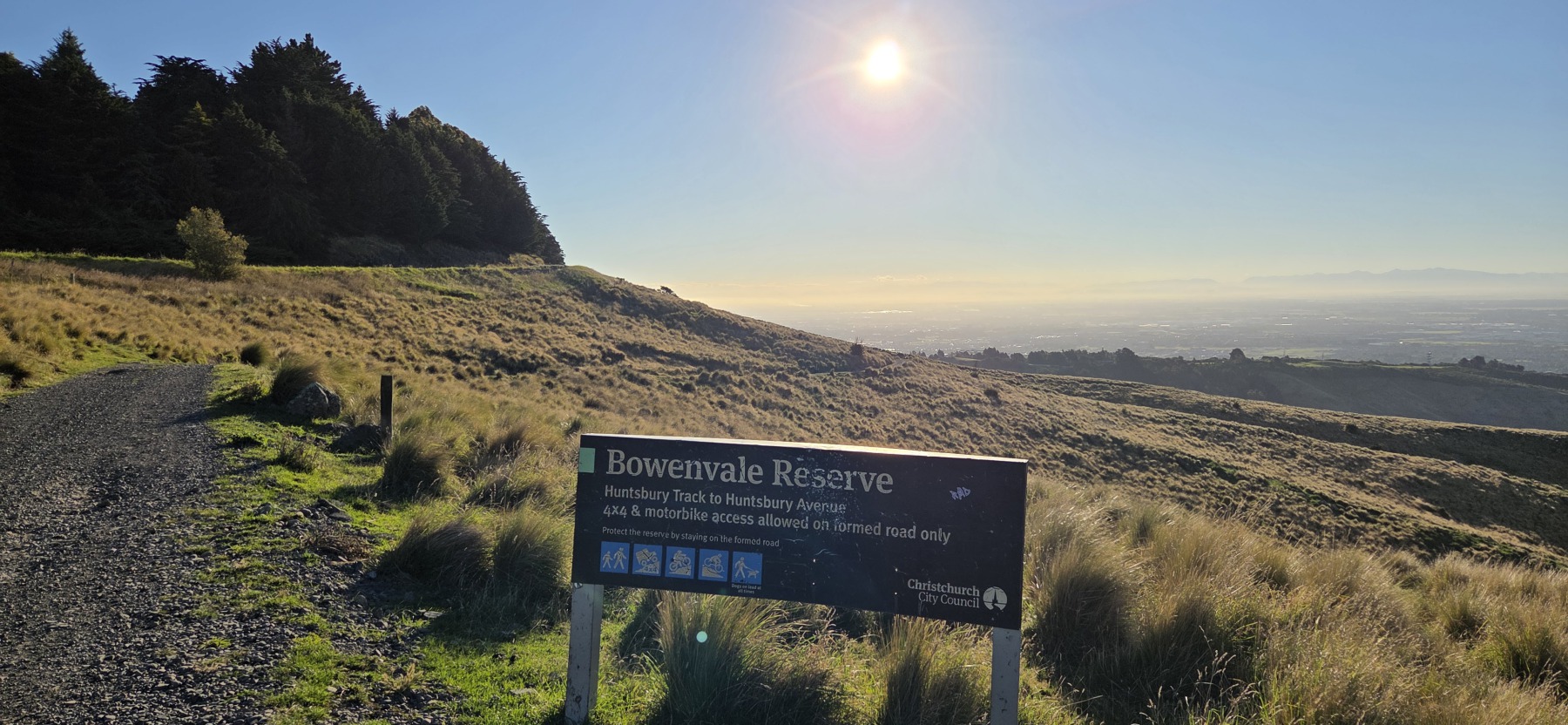
P.S.: Hardly anyone in Germany has ever heard of the “New Zealand boot”. But take another quick look at the picture above 😉. More on that soon.
Māori culture is a central pillar of New Zealand’s society and cultural identity.
As part of my MBA, I had the opportunity to attend a session centred on the question: “The history of the Māori — why should New Zealand business leaders engage with it?” Charisma Rangipunga and Rocky Roberts, two successful Māori business leaders from the iwi (tribe) Ngāi Tahu, traced an arc from the first settlement of Aotearoa around 1,000 years ago all the way to the present day.
Through numerous examples from both past and present, Charisma and Rocky gave us an introduction to Māori culture and highlighted the significance of mana. As I understood it, mana is a fundamental concept in Māori culture, often loosely translated as “prestige” or “power,” but it is far more profound. It refers to a spiritual quality that encompasses authority, influence, and the very essence of a person’s standing in the world. Because mana — and the relationships closely tied to it — hold such deep importance for Māori, they tend to think long-term, often pursuing goals across multiple generations.
Māori society is organised into iwi (tribes), the overarching units that often trace their origins back to an ancestral family that arrived in Aotearoa by canoe. Below the iwi are the hapū (clans), which are made up of various whānau (extended families). Iwi are not structured hierarchically; instead, hapū and whānau enjoy a high degree of autonomy. Matters that can be resolved at the local level are handled there. For broader issues — in the past, for example, defending against enemies, and today, advocating for shared interests — whānau and hapū join forces and address them collectively, represented through their iwi.
In contrast to many other countries (such as Australia, the United States, or Argentina), where Indigenous peoples were oppressed and in some cases even wiped out, Māori and European settlers (mainly British, with some French from around 1800) have been legally recognised as equal citizens for nearly 200 years through the Treaty of Waitangi — despite numerous misunderstandings and differing interpretations of the agreements, sometimes due to cultural differences and sometimes intentionally.
Māori in New Zealand hold a significant economic position — unlike many Indigenous peoples in countries such as Australia or the United States. Their activities contribute around 13% of New Zealand’s GDP. While New Zealand’s GDP grew from USD 212 billion in 2018 to USD 252 billion in 2023 (an increase of about 19%), Māori‑led companies achieved remarkable growth of 88% over the same period, rising from USD 17 billion to USD 32 billion — despite COVID! This is largely because Māori think and act with a long‑term perspective.
It’s important to highlight the significance of manaki (food). Manaki is used deliberately to impress others, and it creates a sense of community and togetherness. Without good manaki, no gathering — whether private or business-related — can truly be successful.
For anyone who wants to dive deeper into the fascinating world of Māori history and culture, here is an excellent online course that covers a wide range of topics — from the settlement of New Zealand by Māori, to first contact with Europeans, the Treaty of Waitangi, tribal history, and developments up to the present day: https://www.hekura.nz/
You can simply explore the individual modules, or test your knowledge by taking a quiz.
Māori language is woven naturally into everyday English communication. People greet each other with Kia ora and say Ka kite anō when parting, and even public toilets are simply labelled Wharepaku, which literally translates to “house of washing.” It’s said that knowing around 50 to 100 words is enough to get you through daily life, and according to Charisma, it’s absolutely not disrespectful to use just individual expressions. Everyone does what they can — the goodwill matters most. For now, though, we’re focusing on learning proper English before we start tackling Māori.
Speaking of English: Kiwi slang is still quite a challenge for me at times. A Kiwi classmate recently told me something about a “tint.” I didn’t understand her at all and must have looked pretty confused. After a moment, the penny dropped: she was talking about a tent. In many words, Kiwis pronounce an “e” like an “i” — but not in all of them, which makes things… interesting. It gets even more entertaining in my courses when native speakers from England, the US, and New Zealand all talk together. You often hear the exact same word pronounced in three completely different ways — sometimes quite confusing.
I hope I didn’t wear you out too much. Luckily, Vroni’s next post is coming soon — with more photos and plenty of emotion 😉

Ein sehr interessanter Bericht von Thomas, danke.
Ich habe in der Wildgen Bibliothek etliche interessante Bücher zu den Maoris und zu deren Sprache. Geschichte ist meist stabil, jedoch gibt es neue Interpretationen.
Lasst es euch gut gehen!
Heidi